Microcontroller boards are where AliExpress is hard to beat: the same ESP32, RP2040 and ATmega328P chips that sit on branded boards cost a fraction of the price on compatible boards, and the parts around them (breadboards, sensors, displays) cost cents. This list covers a first ESP32 project, a camera or display build, tiny battery sensors and classic 5 V Arduino work, plus the two tools that save the most debugging time. Prices in USD.
Links on this page are affiliate links: if you buy through them we may earn a small commission, at no extra cost to you.
🏆 13 Boards, Sensors and Tools Worth Buying on AliExpress

1. ESP32 DevKit (ESP32-WROOM-32, CP2102), the all-round first board
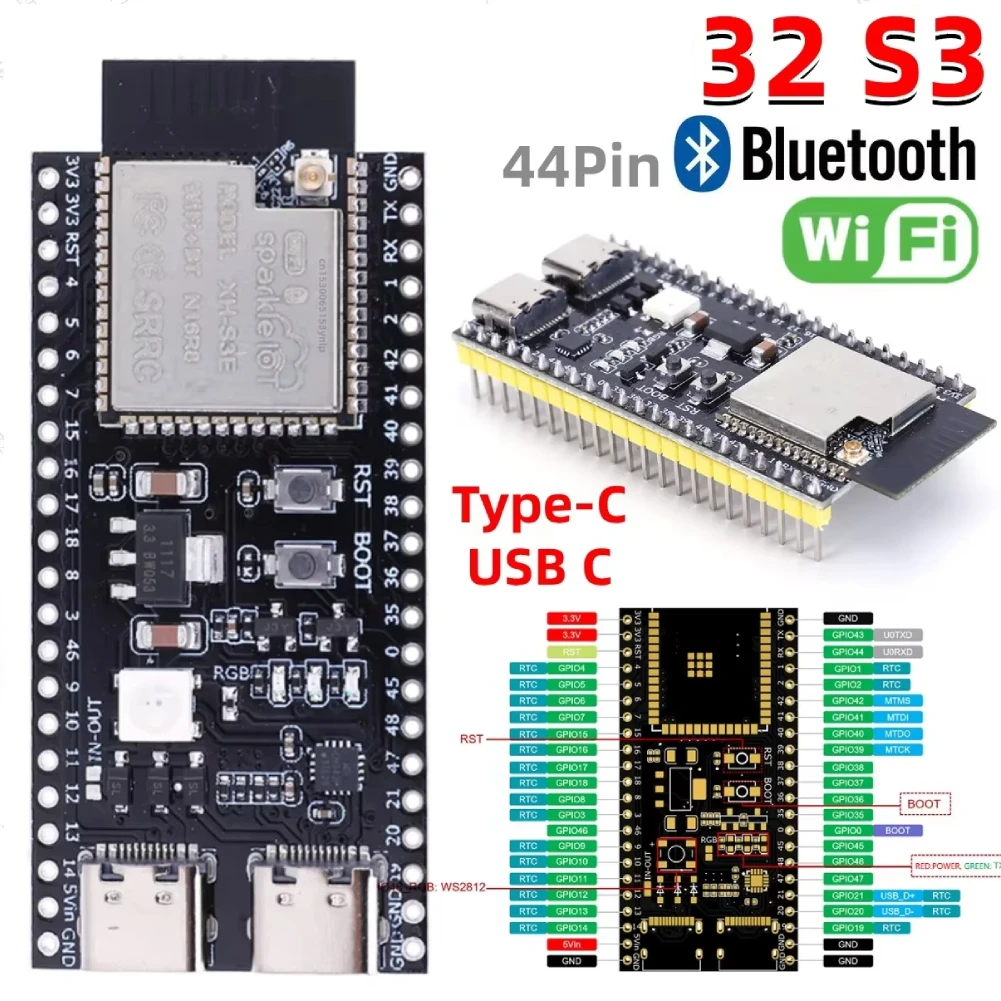
2. ESP32-S3 DevKitC-1 N16R8 with 16 MB flash and 8 MB PSRAM

3. ESP32-C3 SuperMini Plus, thumb-sized with USB-C and an external antenna

4. ESP32-CAM with the ESP32-CAM-MB USB programmer and antenna

5. Nano V3 compatible (ATmega328P, CH340), 5 V and breadboard-friendly

6. Uno R3 compatible board (ATmega328P) with USB cable

7. RP2040-Zero, Raspberry Pi RP2040 chip on a tiny USB-C board

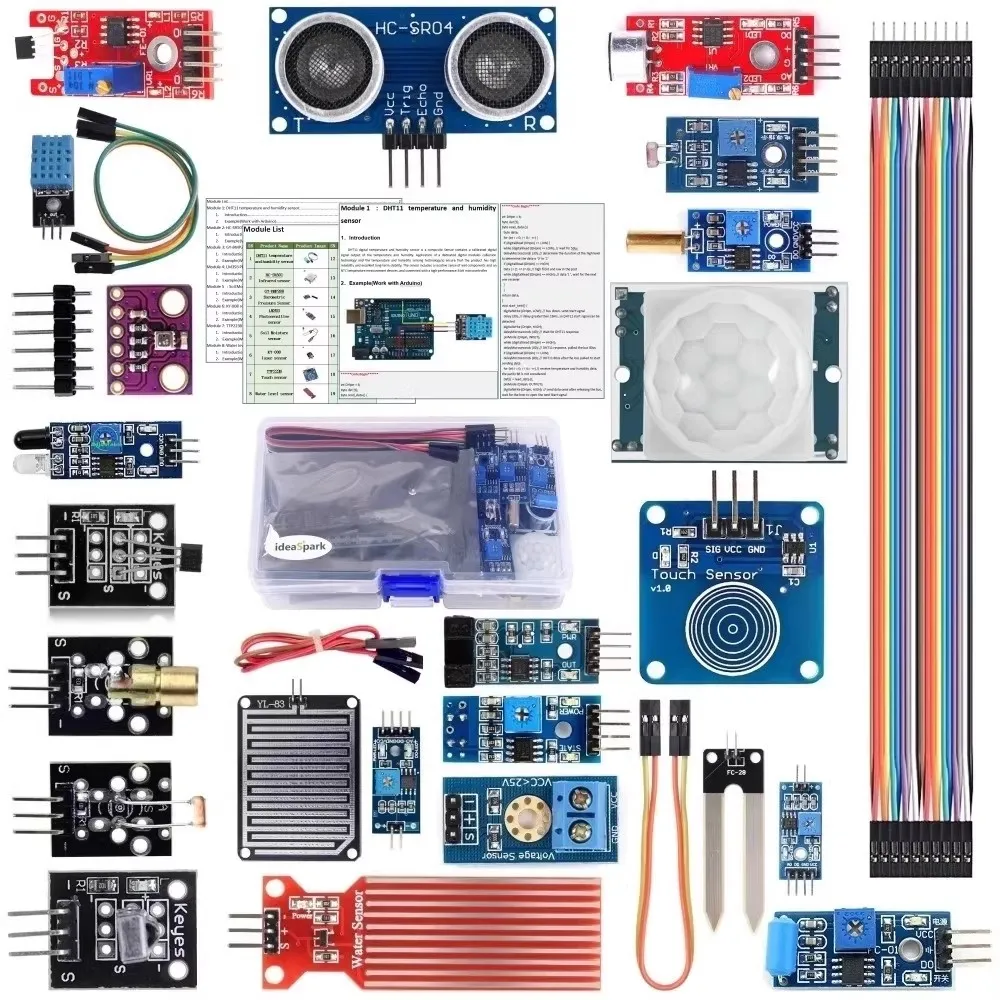


11. BME280 temperature, humidity and pressure sensor (pick the BME280 variant, not BMP280)

12. 24 MHz 8-channel USB logic analyzer (works with PulseView)
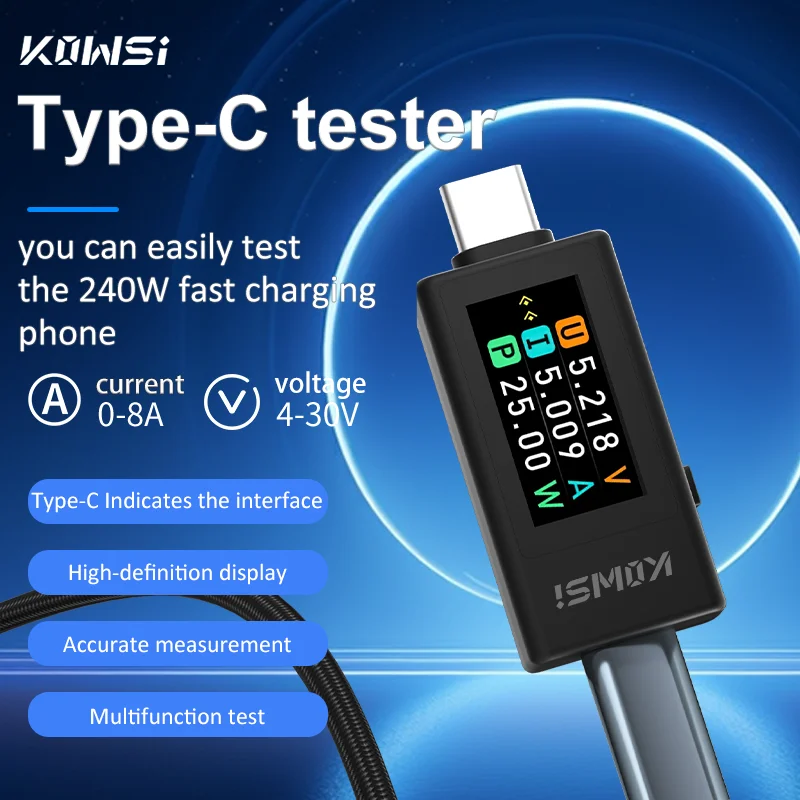
13. KWS-1902L USB-C power meter with a colour display
🔍 Looking for a specific board or module?
Search OneFindMe in plain words, like "ESP32-S3 with camera" or "4.2 inch e-paper display", and see the current listings in your currency.
Search boards →Which board for which project
The chips' published specs. Module variants differ, so check the listing for the exact flash and PSRAM size.
| Board | Chip | Wireless | Flash / RAM | Best for |
|---|---|---|---|---|
| ESP32 DevKit | ESP32, dual-core 240 MHz | Wi-Fi + Bluetooth (Classic and BLE) | 4 MB flash | Most IoT projects, Home Assistant / ESPHome |
| ESP32-S3 N16R8 | ESP32-S3, dual-core 240 MHz | Wi-Fi + Bluetooth LE 5 | 16 MB flash, 8 MB PSRAM | Displays, cameras, voice, on-device AI, native USB |
| ESP32-C3 SuperMini | ESP32-C3, single-core RISC-V 160 MHz | Wi-Fi + Bluetooth LE 5 | 4 MB flash | Small sensors and battery-powered nodes |
| ESP32-CAM | ESP32 + OV2640 camera | Wi-Fi + Bluetooth | 4 MB flash, PSRAM on most boards | Photo and video streaming, doorbells, time-lapse |
| Nano / Uno R3 | ATmega328P, 16 MHz | None | 32 KB flash, 2 KB RAM | Learning, 5 V modules, motors and relays |
| RP2040-Zero | RP2040, dual Cortex-M0+ 133 MHz | None | 2 MB flash, 264 KB RAM | MicroPython, USB keyboards and macro pads, precise timing (PIO) |
About compatible boards: the boards on this list run the same code in the Arduino IDE as the originals. The original Arduino boards are sold by Arduino itself and help fund the open-source software everyone here relies on, so if you want to support the project, buy one of those for your main build.
How to Choose an ESP32 or Arduino Board
- Check the USB chip — boards use a CP2102 or a CH340 USB-to-serial chip. Recent Windows and macOS versions usually find the driver on their own; if the board does not appear as a port, install the driver for the chip named on the listing. ESP32-S3 and RP2040 boards have native USB and need no extra chip.
- Use a data cable — a surprising number of "board not found" problems are a charge-only USB cable. Keep one cable you know carries data.
- Mind 3.3 V and 5 V — ESP32 and RP2040 boards run at 3.3 V and their pins are not 5 V tolerant; Nano and Uno run at 5 V. Wiring a 5 V sensor output straight into an ESP32 pin can damage it, so use a level shifter or a 3.3 V version of the module.
- Get PSRAM for camera and AI work — anything that holds images, a display frame buffer or a small neural network needs PSRAM. That is why the S3 N16R8 (8 MB PSRAM) is the pick for those projects and the plain ESP32 is not.
- Buy a spare — boards cost a few dollars, and a second one means a project can stay wired up while you start the next.
❓ FAQ
Are ESP32 boards from AliExpress genuine?
The ESP32 chips and modules are made by Espressif; the boards around them are designed by many different makers, which is normal for this hardware. Stick to listings with many orders and recent reviews, and check the module marking (for example ESP32-WROOM-32 or ESP32-S3-WROOM-1) in the photos.
ESP32 or Arduino: which should a beginner buy?
For anything with Wi-Fi, an app or Home Assistant, start with the ESP32 DevKit: it is faster, cheaper and has wireless built in. For simple electronics with 5 V modules, motors and relays, a Nano or Uno is easier to wire. Many people start with one of each.
Do these boards work with the Arduino IDE?
Yes. Add the ESP32 board package from Espressif or the RP2040 package in the Arduino IDE board manager; Nano and Uno compatibles work out of the box. ESP32 boards also work with ESPHome and MicroPython.
How much do the parts cost?
The picks above range from $2.06 to $14.15 each. A complete starter set (a board, a breadboard, wires, a sensor and a display) usually costs less than one branded board.
Can I power an ESP32 from 5 V?
Yes, through the USB port or the 5V/VIN pin: the board's regulator brings it down to 3.3 V. What must stay at 3.3 V are the signal pins.
What is the logic analyzer for?
It shows what is actually happening on I2C, SPI or UART lines, so you can see why a sensor is not answering instead of guessing. It works with the free PulseView software.