Most water damage at home does not start with a burst pipe. It starts with a slow drip under the sink or behind the washing machine that nobody sees for weeks, until the cabinet floor swells, the tiles lift or the neighbour downstairs knocks on the door. Catching a leak in its first hour instead of its third week is cheap: a few small gadgets do it. This guide explains where leaks usually start, what really helps, and where tape stops and a plumber begins.
Links on this page are affiliate links: if you buy through them we may earn a small commission, at no extra cost to you.
Where leaks usually start
In most homes the water escapes from the same few places: the flexible hoses that connect the tap to the wall (rubber inside, they age and crack), threaded connections that loosen with vibration and temperature changes, worn washers and seals in the trap or the tap, and the washing machine inlet and drain hoses. The water heater and the dishwasher are the other usual suspects. All of them sit inside a cabinet or behind an appliance, which is exactly why a leak can run for weeks.
What works and what does not
- A leak sensor: the best early warning. It lies on the cabinet floor and reacts to the first drops. A Wi-Fi model connects straight to your router and sends a phone notification, even when you are away. A Zigbee model needs a hub (Tuya, Home Assistant and similar) but its battery lasts longer. Simple stand-alone beepers also exist; we did not list one because none had enough orders.
- A sensor warns, it does not stop the water. Unless it is paired with a motorised shut-off valve, you still close the tap yourself. Know where your main water valve is.
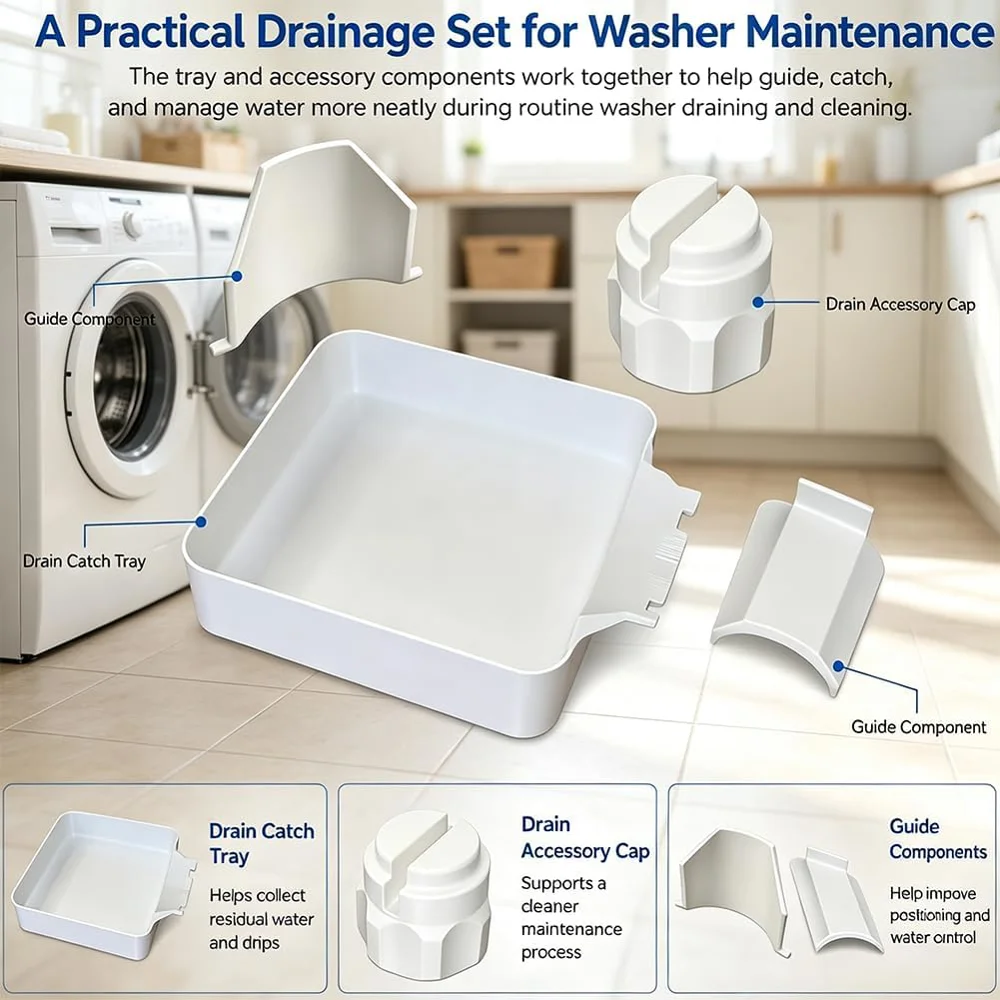
- A tray under the washing machine: buys you time. It catches a small leak before it reaches the floor and makes it easy to see.
- Braided stainless hoses: prevention. Replacing old rubber hoses on the tap and the washing machine removes the most common cause of a sudden flood.
- Thread sealant and self-fusing tape: temporary fixes. PTFE tape or sealing cord seals threads when you redo a connection. Self-fusing silicone tape can hold a small leak on a pipe until a repair. Neither replaces a plumber.
- Water in a wall, a ceiling or under the floor: call a professional. If a stain spreads on the wall, or the water meter turns while every tap is closed, the leak is inside the building and needs a plumber or a leak-detection service.
🛠️ Gear that helps you catch and stop a leak

1. Wi-Fi water leak sensor with phone alerts (no hub)



5. Thread sealing cord for pipe threads (a PTFE-tape alternative)

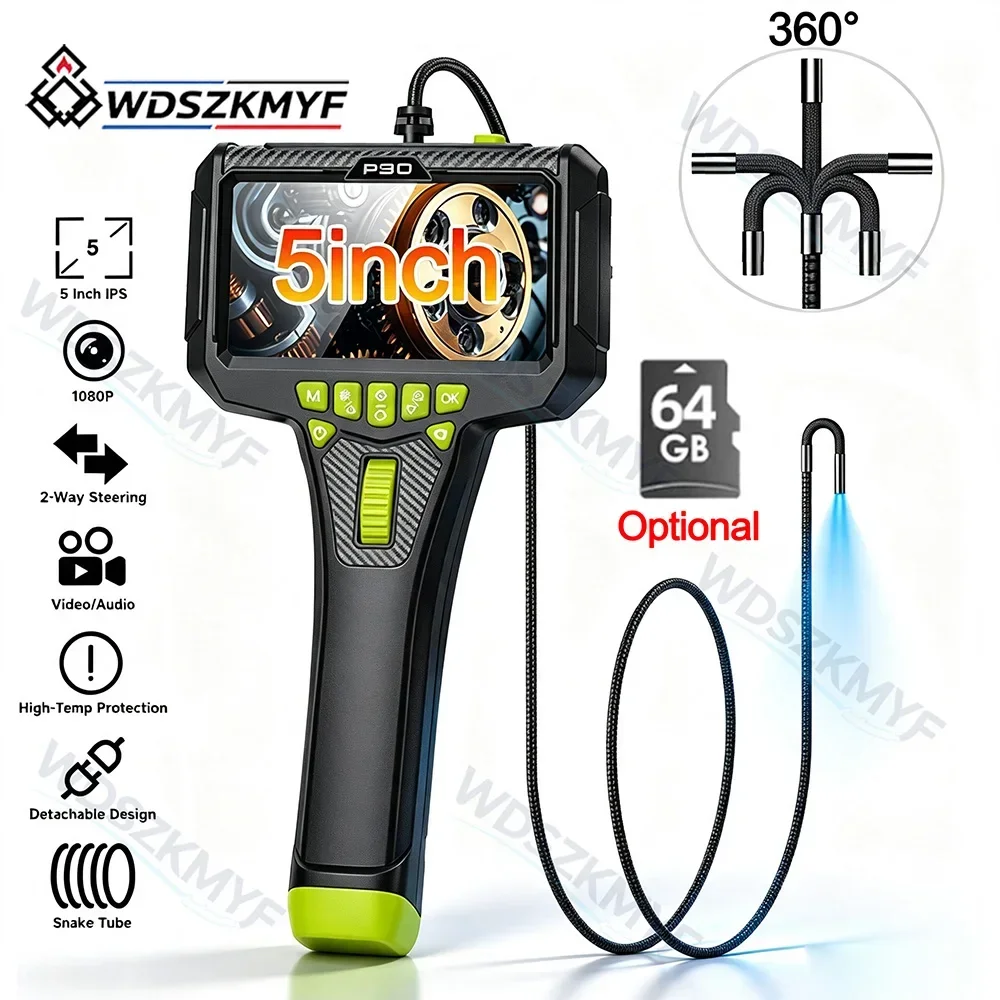
7. Inspection camera to look behind cabinets and appliances
🔍 Need a different hose length or a sensor for another room?
Search OneFindMe in plain words, for example “water leak sensor zigbee” or “flexible hose 50 cm”, and see every current option with today's prices.
Search leak sensors →A four-step plan against hidden leaks
- Find your main water valve — Before anything else, know where the main shut-off is and check that it turns. In a leak, that is the first thing you close.
- Put sensors where water hides — One under the kitchen sink, one behind the washing machine, one by the water heater or dishwasher. Lay it flat on the lowest point of the floor.
- Replace old hoses — If the flexible hoses are older than about five to ten years, rusty, bulging or stiff, replace them with braided ones. Close the tap first and keep a bucket and a towel ready.
- Check once a month — Open the cabinet, run a hand along the hoses and the trap, look under the washing machine. Test each sensor with a wet cloth so you know it still works.
❓ FAQ
How can I tell if there is a water leak under my sink?
Look for a wet or swollen cabinet floor, a musty smell, drops on the hoses or the trap, and stains. A leak sensor catches it the moment the first drops reach the floor.
Wi-Fi or Zigbee leak sensor?
Wi-Fi works on its own with your router and an app, but the battery runs down faster. Zigbee needs a hub, and in return the battery lasts much longer and it works with Home Assistant. If you have no smart-home hub, take Wi-Fi.
Does a leak sensor shut off the water?
No, it only warns you. To shut the water automatically you need a motorised valve that works with the same system. Otherwise you close the tap yourself.
Can tape fix a leaking pipe?
Only temporarily. Self-fusing silicone tape can hold a small leak until a repair, and thread sealant seals threads when you redo a connection. A cracked pipe or a leak inside a wall needs a plumber.
How much does this cost with AliExpress products?
The products on this list cost between $2.36 and $52.30. A couple of sensors cost far less than repairing one water-damaged cabinet.
How long does shipping take?
It depends on the seller and the shipping method. The product page shows the estimated delivery date to your country before you pay.