Black spots in the corner of the bedroom, a musty smell in the wardrobe, water running down the windows every winter morning: mould is one of the most common problems in homes. The key fact is simple. Mould does not come from dirt, it comes from moisture. Scrubbing removes the spots, but they return within weeks unless the air gets drier. This guide explains why it happens, what really works, what does not, and which cheap AliExpress helpers make the job easier.
Links on this page are affiliate links: if you buy through them we may earn a small commission, at no extra cost to you.
Why mould appears
Mould needs moisture. Indoors it starts to grow when the relative humidity stays above roughly 60–70% for long periods. Ordinary life produces a lot of water vapour: showers, cooking, breathing at night and, above all, drying laundry indoors, which can release several litres of water into the air. When that warm, moist air meets a cold surface (a window, an outside wall, the corner behind a wardrobe), it condenses into water, and that is exactly where the black spots appear.
What works and what does not
- Measuring the humidity: the first step. A cheap hygrometer tells you whether a room is really damp. Aim for about 40–60%. Budget models can be off by a few percent, but they show the trend well.
- Ventilation: the real fix. Open the windows wide for 5–10 minutes a few times a day, especially after showering, cooking or hanging laundry. Short, wide airing removes moisture without cooling the walls the way a window left ajar all day does.
- Moisture absorbers and silica gel: for small spaces. Hanging absorber bags and reusable silica beads help in a wardrobe, a cupboard or a shoe cabinet. They cannot dry a whole room.
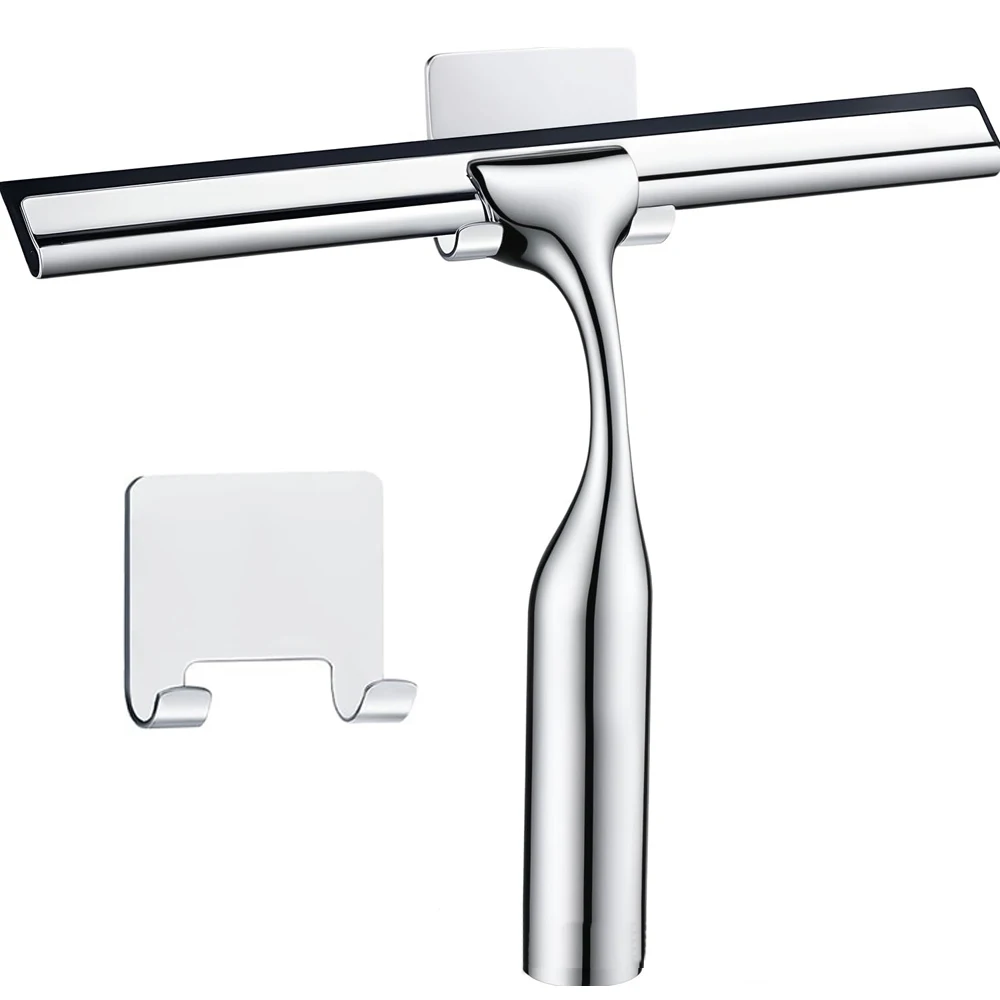
- Squeegee after the shower: small habit, big difference. Wiping the water off tiles and glass takes a minute and removes most of the moisture the bathroom would otherwise have to dry out.
- Small electric “mini dehumidifiers”: not on the list. The ones sold online collect very little water and only suit a wardrobe. For a whole room, a proper compressor dehumidifier from a local shop, rated in litres per day, is the right tool.
- “Anti-mould air purifiers”: no. They do not remove the moisture that feeds the mould.
🛠️ 7 helpers against mould and damp


4. Reusable silica gel beads (dry them and use again)

🔍 Looking for a different size or model?
Search OneFindMe in plain words, for example “hygrometer with alarm” or “wardrobe moisture absorber”, and see the current options with today's prices.
Search damp and mould helpers →A four-step plan against mould
- Measure first — Put a hygrometer in the bedroom and the bathroom for a week. If the humidity is often above 60%, the problem is moisture, not cleaning.
- Get the moisture out — Air rooms wide open for 5–10 minutes after showering, cooking and in the morning, dry laundry outside or near an open window, and squeegee the shower.
- Stop condensation spots — Leave a gap of a few centimetres between furniture and outside walls, keep rooms evenly heated in winter, and use absorbers inside wardrobes and cupboards.
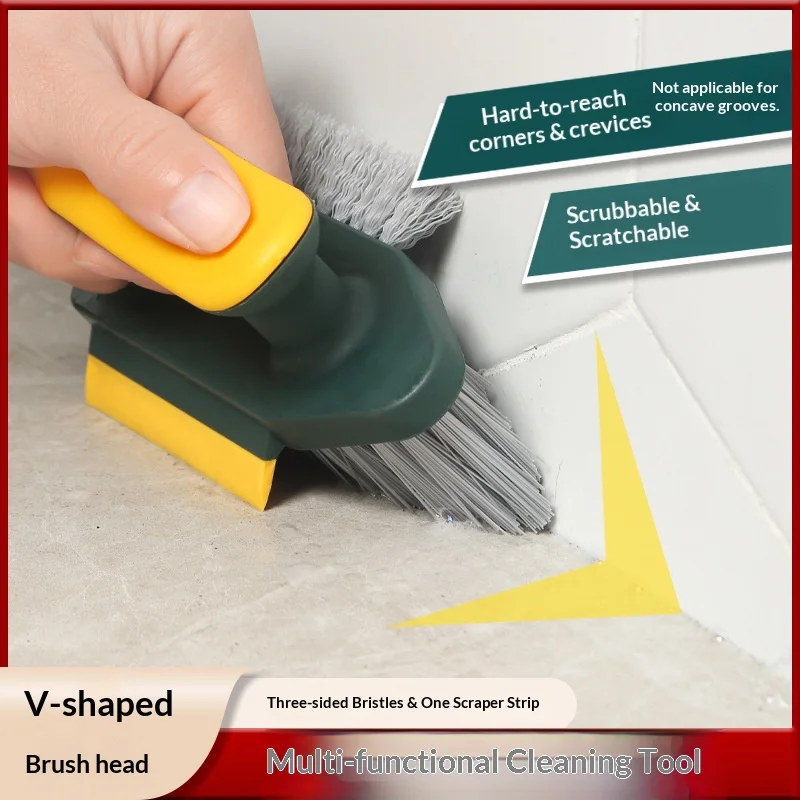
- Clean and seal — Scrub small spots on tiles and grout with a brush and a household cleaner, let everything dry, then cover cracked or blackened bath edges with caulk tape or renew the silicone.
❓ FAQ
What is the main cause of mould in a house?
Moisture. Mould grows where the humidity stays high and warm air condenses on cold surfaces: windows, outside walls and corners behind furniture. Showers, cooking and drying laundry indoors are the usual sources.
What humidity is ideal indoors?
Roughly 40–60%. Above about 60–70% for long periods, mould and dust mites thrive. A hygrometer shows you where you stand.
Do moisture absorber bags work?
Yes, in small closed spaces such as wardrobes and cupboards. They collect water from the air into the bag. They are not strong enough for a whole room; that needs ventilation or a proper dehumidifier.
Is cleaning mould enough?
Only for a while. Cleaning removes the spots, but they come back unless the humidity drops. Always fix the moisture first.
How much do these helpers cost?
The products on this list cost between $2.03 and $12.56. A hygrometer and better ventilation habits already solve many cases.
How long does shipping take?
It depends on the seller and the shipping method. The product page shows the estimated delivery date to your country before you pay.