Snoring rarely bothers the snorer most. It is the person next to them who lies awake at 2 a.m. Most everyday snoring comes from a few simple causes, such as sleeping on your back, a blocked nose or a glass of wine before bed, and many of them can be eased with cheap gear. This guide explains what helps, what does not, and when snoring is a sign to see a doctor rather than buy a gadget.
Links on this page are affiliate links: if you buy through them we may earn a small commission, at no extra cost to you.
Why people snore
Snoring is the sound of soft tissue in the throat vibrating as air squeezes past it. It gets worse when the airway narrows: sleeping on your back lets the tongue and soft palate fall backwards, a blocked or narrow nose pushes you to breathe through the mouth, alcohol and sleeping pills relax the throat muscles, and extra weight around the neck adds pressure. Dry air and a cold make it worse too.
What helps and what does not
- Opening the nose: helps if you snore with a blocked nose. Silicone nasal dilators sit just inside the nostrils, and nasal strips lift the sides of the nose from the outside. Both are drug-free.
- Keeping the mouth closed: helps mouth-breathers. Sleep mouth tape or a chin strap nudge you to breathe through the nose. Never tape your mouth with a blocked nose, a cold or any breathing problem.
- Changing position: often the biggest win. Many people snore mainly on their back. A wedge pillow raises the head and upper body; a contoured pillow makes side sleeping comfortable. A free trick: sew a tennis ball into the back of a T-shirt.
- Protecting the partner: works tonight. Soft earplugs and a white noise machine do not stop the snoring, but they let the other person sleep while you work on the cause.
- "Electric" anti-snore gadgets: not recommended. Devices that promise to stop snoring with pulses or vibration have no reliable evidence behind them, so they are not on the list.
- Habits matter: less alcohol in the evening, a regular sleep schedule and, where relevant, losing some weight often make more difference than any product.
🛠️ 8 products that help with snoring
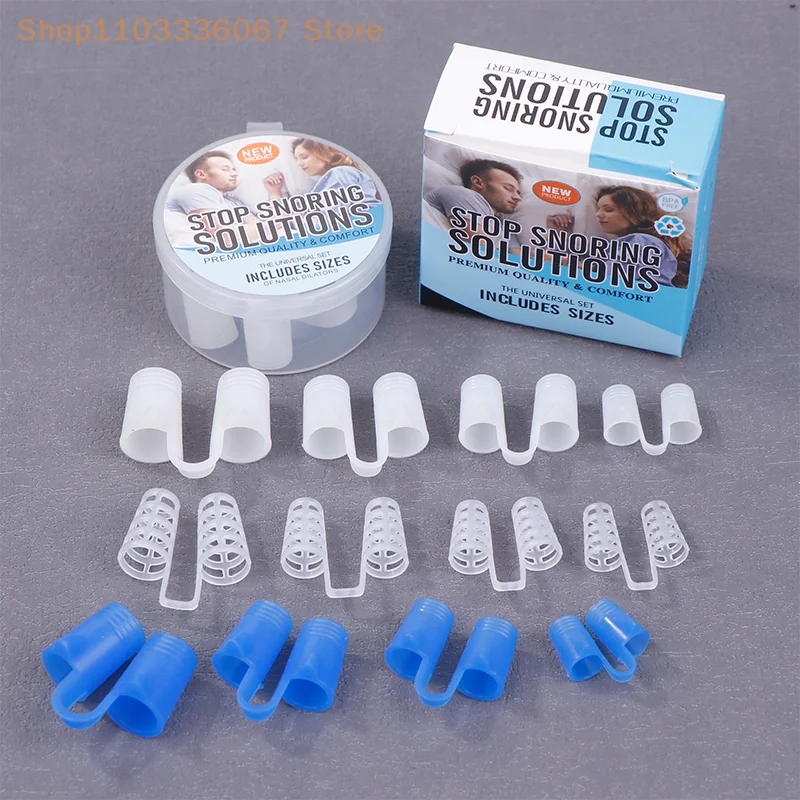
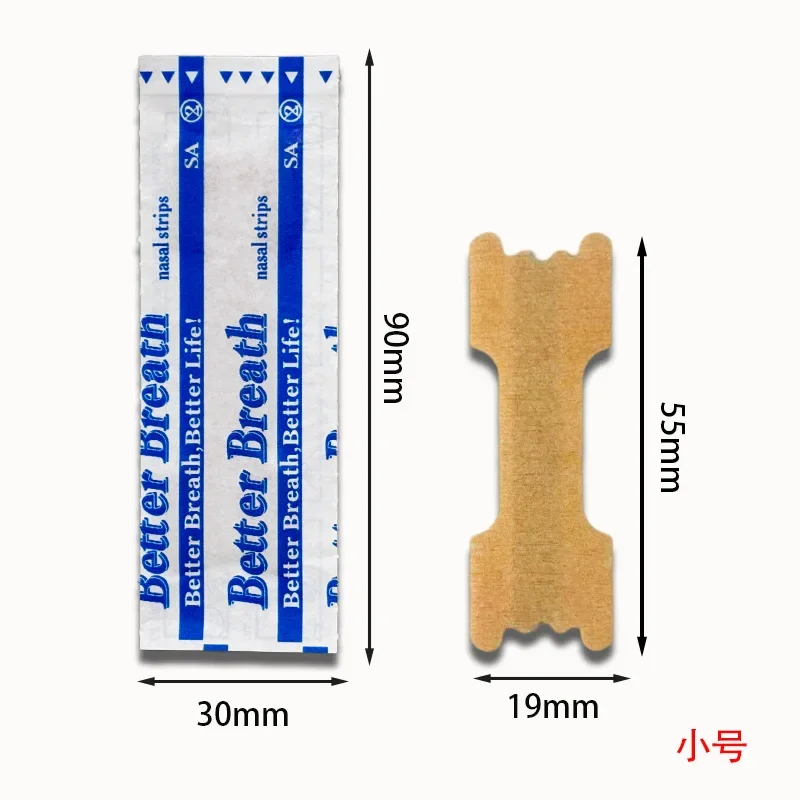

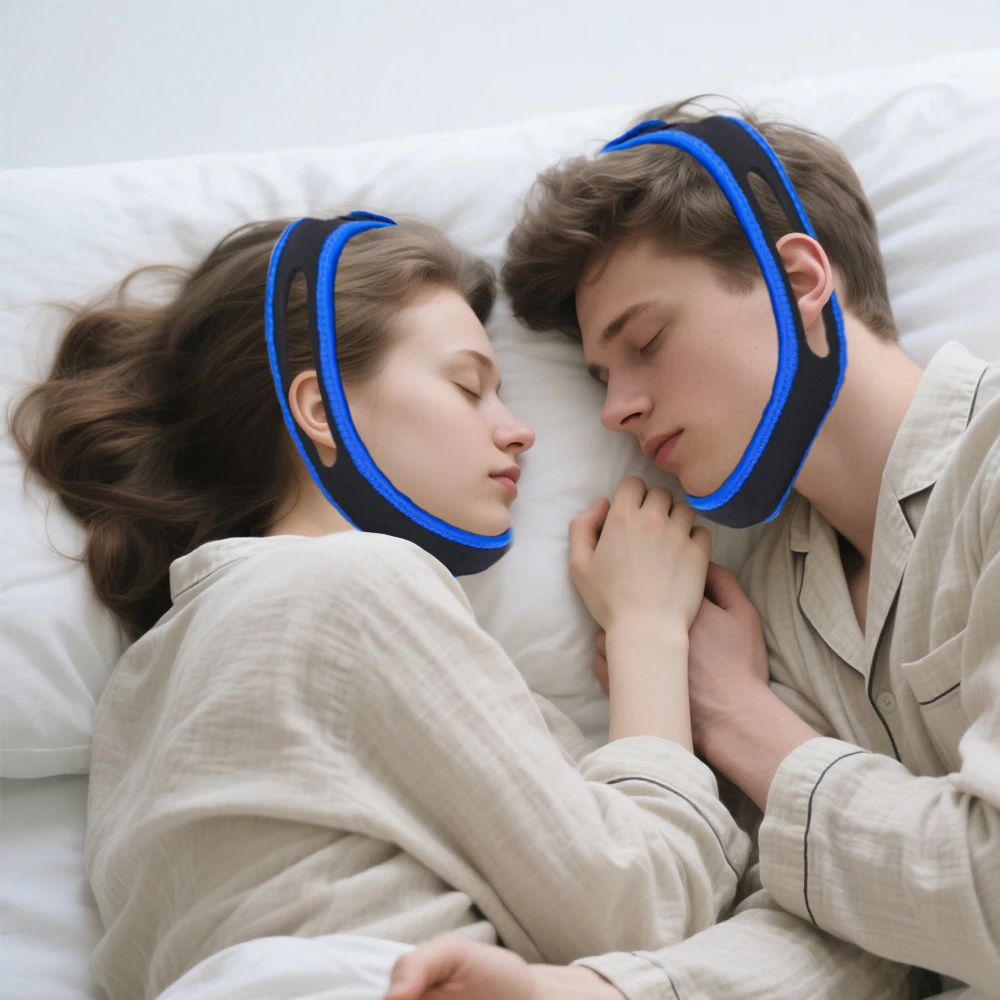

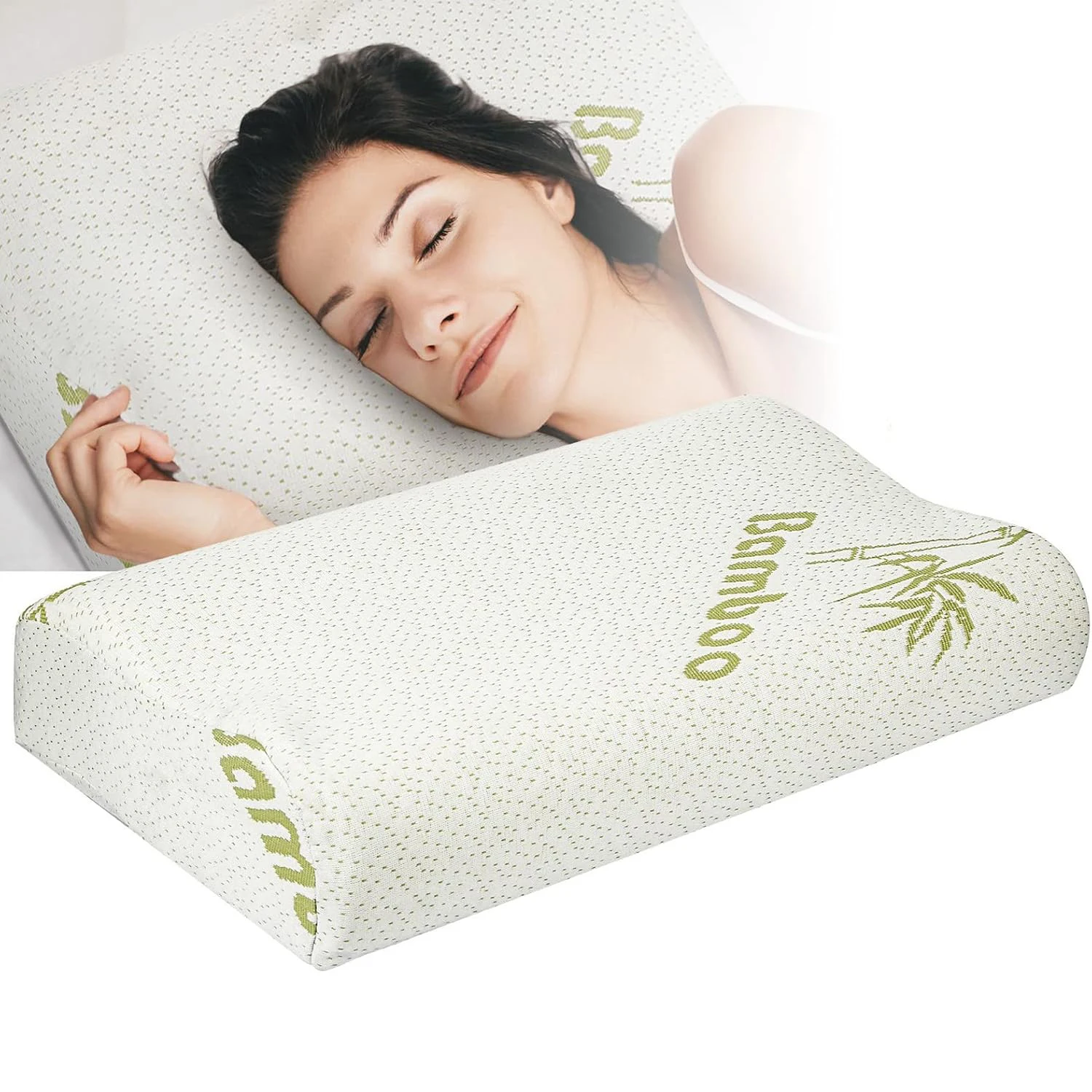
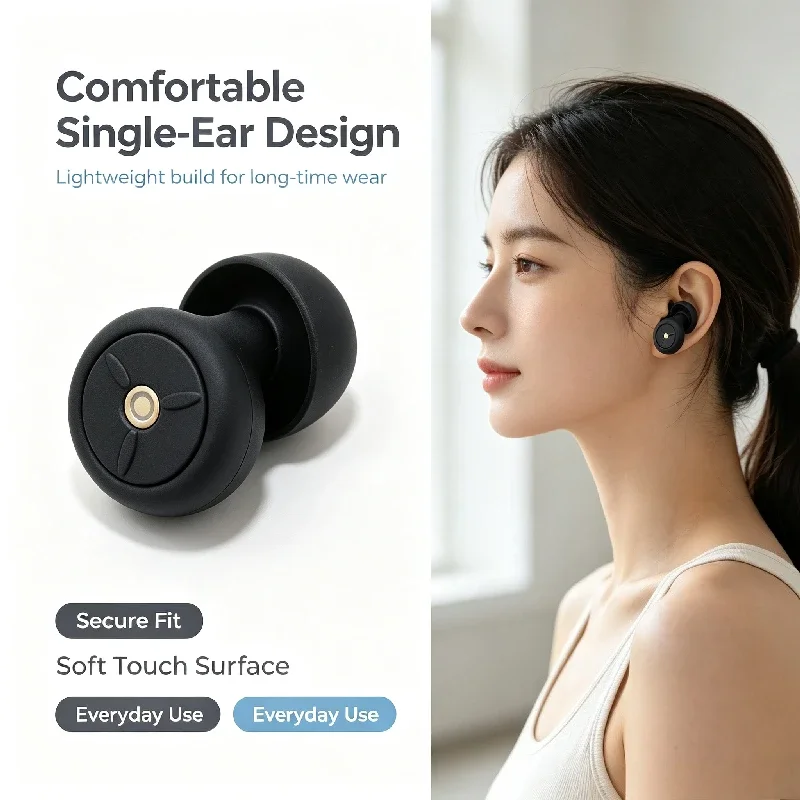
7. Soft reusable earplugs for sleeping (for the partner)

🔍 Looking for another size or model?
Search OneFindMe in plain words, for example “wedge pillow 30 cm”, and see every current option with today's prices.
Search anti-snoring products →A four-step plan for quieter nights
- Find out when you snore — Record a night with a free phone app or ask your partner: on your back only, every night, after alcohol, with a cold? The pattern points to the cause.
- Fix the position first — If it is mostly on your back, try side sleeping with a contoured pillow, a wedge pillow, or the tennis-ball trick for two weeks.
- Open the nose or close the mouth — Blocked nose: dilators or nasal strips. Mouth open at night: a chin strap, or mouth tape only if your nose is clear.
- Protect the partner and check the warning signs — Earplugs or white noise for the other person in the meantime. Pauses in breathing or daytime sleepiness: see a doctor.
❓ FAQ
What actually helps to stop snoring?
It depends on the cause. Sleeping on your side or with the head raised helps many back-snorers, nasal dilators or strips help when the nose is blocked, and a chin strap helps mouth-breathers. Less alcohol in the evening also helps.
Is snoring dangerous?
Ordinary snoring is mostly a nuisance. Loud snoring with pauses in breathing, gasping at night or strong daytime sleepiness can be sleep apnoea, which should be checked by a doctor.
Is mouth tape safe?
Only for adults with a clear nose. Do not use it with a cold, a blocked nose, breathing problems, after alcohol or sleeping pills, or for children, and stop if you feel any discomfort.
Do anti-snoring gadgets with pulses or vibration work?
There is no reliable evidence that they do, which is why they are not on this list. Position, the nose and habits are where most people get results.
How much do these products cost?
The products on this list cost between $2.09 and $38.15. Most people only need one or two of them, depending on the cause.
How long does shipping take?
It depends on the seller and the shipping method. The product page shows the estimated delivery date to your country before you pay.